

What to Say to Your Daughter After a Bad Softball Game
Oct 01, 2026Your daughter gets in the car. The bag gets tossed in the back. The door closes, and you already know. Today is not the day. Maybe she struck out three times. Maybe she made the error that scored the winning run. Maybe she did not pitch well, barely played, or had a rough weekend from beginning to end.
Parents, I know what happens next. You are deciding whether to talk, stay quiet, review the mistakes, or tell her what to fix. Here is my advice: do not turn the ride home into another practice. She has probably replayed every mistake in her head already. She does not need play-by-play from the front seat too.
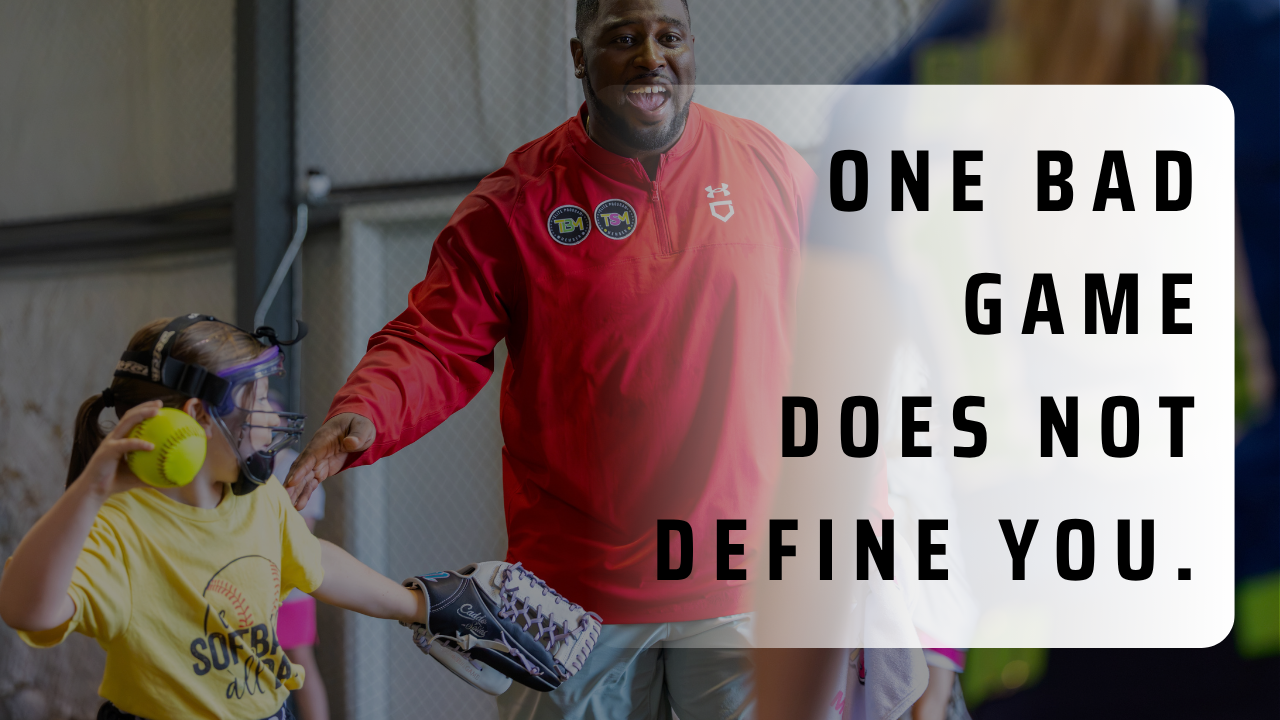
And sis, if you are reading this after one of those games, I know it feels terrible. One bad game does not get to decide who you are as a player.
Read the Room Before You Talk
Some players want to talk immediately. Others need time. Instead of guessing, ask one clear question: "Do you want to talk about the game, or do you just want to ride home?" Then respect the answer.
Silence is not always avoidance. Sometimes a player needs her emotions to settle before she can explain what happened. Giving her that space communicates trust.
Do Not Lead With the Mistakes
Avoid opening with "Why did you swing at that pitch?" or "What happened on that ground ball?" Even a calm question can feel like an evaluation when the game has just ended.
Start with connection. Tell her you love watching her play, you are glad to be there, or you are ready to listen when she wants to talk. Mechanics can wait until both of you are ready.

Ask Before You Coach
Parents often see something useful and want to help. Ask permission first: "Do you want me to listen, or do you want my thoughts?" That one sentence can change the entire conversation.
If she wants you to listen, listen. If she asks for feedback, keep it short and focus on one useful next step. The goal is not to prove that you saw the problem. The goal is to help her process it.
Let Her Be Disappointed
You do not have to make the bad feeling disappear immediately. Disappointment is a normal part of caring about something. A player can be upset and still be okay.
Stay calm enough to show her that the moment is manageable. When adults rush to rescue, explain, or fix, the player may hear that difficult emotions are dangerous. Your steady presence tells her she can feel disappointed and move through it.
Separate the Game From Her Identity
She had a bad game. She is not a bad player. That distinction matters. Sis, we had a rough one. We do not need to turn one hard Saturday into a complete story about who you are.
Use specific language. "You struggled with timing today" gives her something to work on. "You are not hitting well" sounds like an identity. Describe the moment without turning it into a label.
Helpful Things to Say
The best words depend on what your daughter needs, but these phrases keep the conversation supportive and useful.
- I love watching you play.
- I am proud of how you kept competing.
- What are you proud of today?
- Do you want to talk about it?
- Do you want me to listen, or do you want my thoughts?
- What did you learn?
- What can you control next?
- We will get back to work when you are ready.
Things to Avoid Right After the Game
Avoid questions or comments that create shame, comparison, or pressure. Statements such as "Why did you do that?" "You should have..." "Your coach should have..." or "We spend too much money for you to play like that" make it harder for a young athlete to think clearly.
Immediate mechanical corrections can also wait. Even good advice lands poorly when a player is overwhelmed. Choose the right message and the right time.
When She Says She Is Terrible
The automatic response is often, "No, you are not." That comes from love, but it can stop the conversation. Try asking, "What happened today that made you feel that way?" Then listen.
Once you understand what is underneath the statement, help her move from emotion to action. Ask, "Is this something you want help practicing, or are you disappointed right now?" You are not agreeing with the harsh label. You are helping her understand where it came from.
Have the Coaching Conversation the Next Day
The car ride does not have to solve everything. After emotions settle, ask what she learned and what she wants to work on. Keep the conversation specific and forward-looking.
A useful next-day review can be short: one thing that went well, one thing she learned, and one action for the week. That gives the game a purpose without allowing it to follow the family around for days.
Leave the Game at the Field
Parents, your daughter is going to have bad games. You cannot protect her from all of them, and you do not need to. Some of softball's best lessons arrive on days when nothing goes the way she wanted.
Our job is to help her learn that she can struggle and still be okay. And sis, that 0-for-4 day, that error, or that inning when you could not find the strike zone does not need to live in your head for the next three weeks. Learn from it. Take what you need. Leave the rest at the field. Next play.
Frequently Asked Questions
Should parents talk about the game during the car ride home?
Ask the player what she needs. Some players want to talk, while others need quiet. Avoid turning the ride home into an immediate coaching session.
What should I say when my daughter is upset after softball?
Start with connection and permission. Try, "I am here when you want to talk," or, "Do you want me to listen, or do you want my thoughts?"
What should parents avoid saying after a bad game?
Avoid blame, comparisons, complaints about coaches or teammates, comments about money, and immediate mechanical corrections. These responses add pressure when the player is already disappointed.
When is the best time to discuss mistakes?
Wait until emotions settle. A short conversation later that day or the next day is often more productive because the player can listen, reflect, and choose a next step.
How can parents help a player move on from a bad game?
Help her separate the result from her identity, identify one lesson, choose one controllable action, and then return attention to the next practice or game.
Keep Building with CJ
If your daughter is ready to keep building her skills, confidence, and mindset, come join us inside the CJ Beatty Softball Academy. We are putting in the work and becoming better players and people together.
Don't miss a beat!
New moves, motivation, and classes delivered to your inbox.
We hate SPAM. We will never sell your information, for any reason.